Worn In, Not Worn Out: How Thrift Became the New Flex
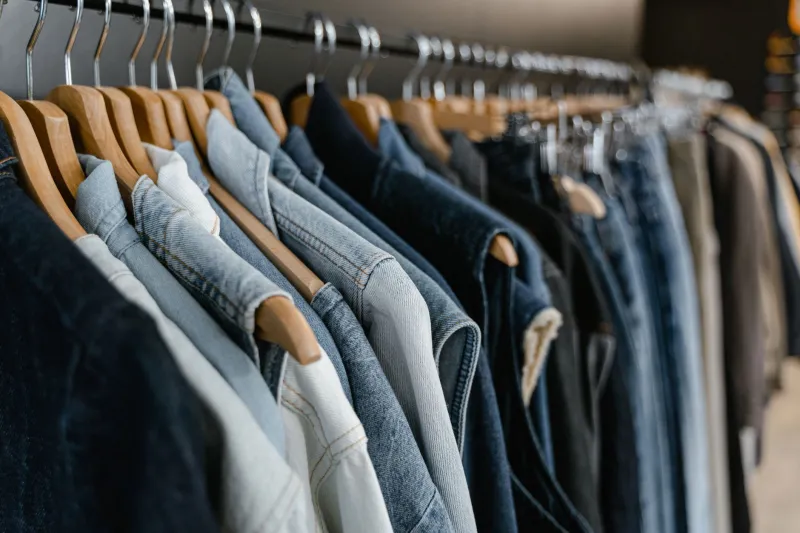
The jacket has a small tear near the left pocket that nobody's bothered to fix. The denim is faded in the specific way that only comes from actual years of wear, not the kind engineered in a factory. The sneakers are clean but clearly not new. And the person wearing all of it? They look, by any reasonable measure, incredible — and they know it.
This is the aesthetic moment we're living in right now, and it's one that would have confused fashion observers even five years ago. We've moved past logomania, past the stealth wealth minimalism that dominated aspirational dressing for the better part of a decade. What's emerging in its place is something that doesn't have a clean name yet, though people keep trying. Visible thrift. Worn luxury. Provenance dressing. Whatever you call it, the vibe is the same: the most interesting thing about your outfit is where it came from and what it's been through.
The Anti-Logo That Became Its Own Logo
To understand why this is happening, it helps to think about what the alternatives communicate. Fast fashion signals disposability — the clothes are cheap, they're everywhere, and wearing them says you're participating in a system most trend-aware young people have complicated feelings about. Stealth wealth — that clean, logo-free minimalism favored by a certain kind of affluent aesthetic — signals money but also a kind of blandness, a studied neutrality that younger consumers increasingly read as its own kind of performance.
Visibly secondhand clothes communicate something different. They suggest a person who shops with intention, who has the time and knowledge to find good things in unexpected places, who isn't relying on a brand to do the cultural work for them. In a landscape where authenticity is the most coveted quality and everything can be faked, wearing something with genuine history is a flex that's hard to counterfeit.
"There's a version of this that's totally sincere and a version that's completely performative," says Dani, a 26-year-old stylist based in Brooklyn who's been watching the shift play out in real time. "But honestly? Even the performative version is more interesting than buying the same Zara blazer as everyone else."
The Provenance Economy
What's replaced the logo as social currency isn't price — it's story. The more specific and verifiable the story, the better. Where did you find it? When? How long did you look? Did you have to travel for it?
This is why the best thrift shoppers in certain circles have become minor celebrities in their own right. The person who found a deadstock 1970s Levi's trucker jacket at an estate sale in rural Ohio, or pulled a pristine 1980s band tee from a Goodwill bin in Albuquerque — they're not just wearing a cool piece of clothing. They're wearing proof of effort, taste, and luck. The story is the status symbol.
Social media has amplified this dramatically. Thrift haul videos have been a YouTube staple for years, but what's shifted is the register. It used to be about savings — look how little I spent. Now the more compelling content is about the hunt itself, the knowledge required to spot something good, the backstory of the item. The price tag is almost beside the point, except when it's absurdly low, in which case it becomes part of the story.
When Thrift Gets Expensive
Here's where it gets complicated. The cultural cachet of visible secondhand dressing hasn't gone unnoticed by the market. Resale platforms like Depop, Poshmark, and Vestiaire Collective have watched prices for desirable vintage items climb steadily. A beat-up vintage Carhartt jacket that would have sold for twelve dollars at a thrift store five years ago now goes for eighty on Depop. The Goodwill in certain neighborhoods has started pricing items based on brand recognition. The "affordable" part of thrift culture is quietly disappearing.
What's emerging is a two-tier system. There are people who genuinely thrift — who have the time, access, and patience to dig through racks at Salvation Army or estate sales — and there are people who buy pre-curated vintage from resellers, paying a significant premium for the same aesthetic without the work. Both groups end up wearing similar things. But the community of serious thrifters is acutely aware of the difference, and they're not shy about it.
"Buying vintage from a boutique is fine, but it's not the same thing," says Marcus, a 23-year-old in Chicago who thrifts several times a week. "The whole point is the process. If you're just buying it because it looks cool, you're kind of missing it."
This tension — between the authentic practice and the aesthetic adoption of it — is one that fashion has always navigated. Every subculture gets absorbed eventually. What's interesting about visible thrift is that it's harder to fully commodify than most trends, because the most credible version of it requires something money can't easily buy: time, knowledge, and a genuine story.
What This Actually Says About Us
At its core, the rise of visible thrift as status symbol is a story about what people want their clothes to say about them in 2024. Not "I can afford this brand" or "I follow these trends." Something more like: "I have taste that isn't for sale. I know things. I found this."
That's a meaningful shift — from consumption as status to curation as status. Whether it stays genuinely subversive or gets smoothed into just another trend cycle is the question. But right now, in this particular cultural moment, the most powerful thing your outfit can do is look like it has a history. And the best part? That's not something any fast fashion brand can manufacture.