Nobody Knows What I'm Into Anymore (and I've Never Felt Better)
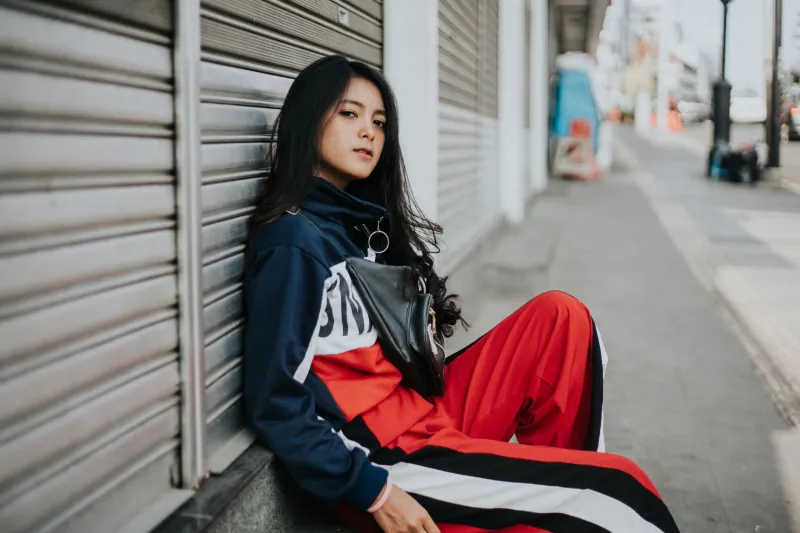
Somewhere around 2021, Jade decided she was a "plant mom meets vintage maximalist meets slow living advocate." She had a mood board. She had a color palette. She had a grid.
By late 2023, she was posting blurry photos of a gas station hot dog next to a hand-thrown ceramic mug, wearing an outfit that made no sense, with a caption that just said "idk."
Her engagement dropped. She didn't care. For the first time in years, she felt like herself.
The Aesthetic Industrial Complex
Somewhere in the last decade, having a personality became a project. Social media — Instagram especially, then TikTok — rewarded coherence. The algorithm liked you better when you were legible. Brands wanted to work with you when your audience knew exactly what they were getting. Even if you weren't monetizing, the social logic was the same: pick a lane, stay in it, and make it look effortless.
Aesthetics became shorthand for identity. Cottagecore. Dark academia. Clean girl. Coastal grandmother. Mob wife. The labels came fast and they came with instruction manuals — specific clothing, specific music, specific attitudes toward breakfast. You could build an entire self out of Pinterest boards and a few strategic thrift store finds.
It was genuinely appealing, for a while. Having an aesthetic gave people a community, a visual language, a sense of direction in an overwhelming cultural landscape. It was also, quietly, exhausting.
"Maintaining a coherent personal brand is actual labor," says Dr. Priya Nair, a therapist based in New York who works with a lot of young professionals and content creators. "People don't always recognize it as such, but the constant editing — of your photos, your opinions, your purchases, your feelings — takes a real cognitive and emotional toll."
The Crack in the Grid
The signs of fracture started showing up in unexpected places. Content creators with hundreds of thousands of followers began posting "what I actually wear" videos that looked nothing like their feed. Fashion influencers started thrifting things that contradicted their stated aesthetic. Lifestyle accounts began sharing opinions that didn't fit the brand.
Some of it was strategic — authenticity content is its own genre, and plenty of creators know exactly what they're doing when they perform vulnerability. But some of it was something else. A genuine fatigue. A desire to be unclassifiable.
"I used to plan my outfits based on how they'd photograph," says Dominique, a 27-year-old content creator in Atlanta who built a following around what she describes as "elevated streetwear meets Afrofuturism." "Now I just get dressed. Sometimes I look amazing. Sometimes I look like I lost a bet. I post both."
Her follower count dipped. Her DMs, she says, got more interesting.
What Therapists Are Noticing
The mental health angle here is real and worth taking seriously. Therapists who work with Gen Z and younger millennials report a consistent theme: the pressure to maintain a coherent personal brand has become a source of genuine anxiety for a significant portion of their clients.
"When your identity is a product, every contradiction feels like a failure," Dr. Nair explains. "If you're the 'clean eating, wellness-forward' person and you want a burger and a bad day, there's a cognitive dissonance that can feel genuinely distressing. You've outsourced your sense of self to your audience."
The flip side — letting that go — comes with its own discomfort. Identity, even a constructed one, provides structure. Abandoning the aesthetic means sitting with ambiguity about who you are and how others see you. For people who've built social capital around a specific persona, that's not a small thing to release.
"I had a client who described giving up her aesthetic as 'grieving,'" Dr. Nair says. "Which sounds dramatic, but it makes sense. She was mourning a version of herself she'd invested years in."
Fashion Without a Manifesto
From a style perspective, the shift is fascinating. Fashion has always cycled between maximalism and minimalism, between statement and restraint. But the current moment feels different because the rebellion isn't about a new aesthetic replacing the old one — it's about rejecting the framework entirely.
Stylist and fashion writer Camille Osei, based in Los Angeles, has watched this play out in real time with her clients. "People used to come to me wanting a 'signature look.' Something recognizable. Now I get clients who specifically say they don't want to be pinned down. They want to wear something completely different every day and have it all make sense somehow."
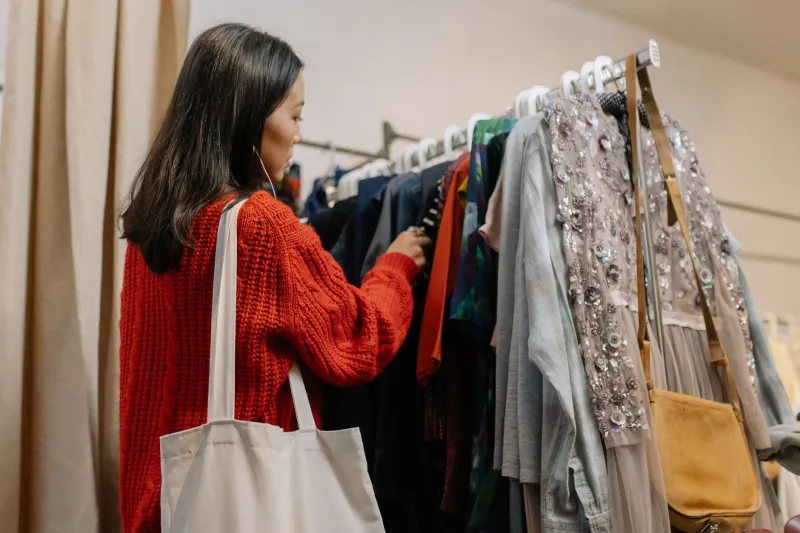
What that looks like in practice is genuinely interesting. A blazer with athletic shorts. A ball gown at the farmer's market. A band tee from a band you've never heard. Vintage pieces mixed with fast fashion mixed with something handmade. The logic isn't aesthetic — it's emotional. Wear what you feel. Deal with the consequences later.
"There's a word in fashion for this," Camille says, "and it's just 'personal style.' We're finally getting back to it after years of group-think aesthetics."
The Contradiction Is the Point
What's emerging on the other side of the personal brand burnout isn't chaos — it's something more interesting. A willingness to be contradictory. To be a person who loves both Charli XCX and country music. Who thrifts obsessively but also bought something from a fast fashion brand last week and isn't going to apologize for it. Who has opinions that don't fit neatly into any political or cultural category.
For a generation that grew up being told to "find your niche," embracing contradiction feels almost radical.
Jade, the plant mom turned gas-station-hot-dog poster, puts it simply: "I used to think being consistent was the same as being real. Now I think being consistent was just being a character."
She still posts. She still has followers. But she's stopped trying to give them a version of herself they can predict.
It turns out, being unknowable is its own kind of interesting.