Less Is More (and More Expensive): The Luxury Brands Stripping Down Their Packaging
There used to be a ritual to buying something expensive. The bag. The box. The layers of tissue paper folded just so. The ribbon you saved because it felt wrong to throw away. For decades, that ceremony was the luxury. You weren't just buying a product — you were buying the theater around it.
Something is shifting. Quietly, then all at once.
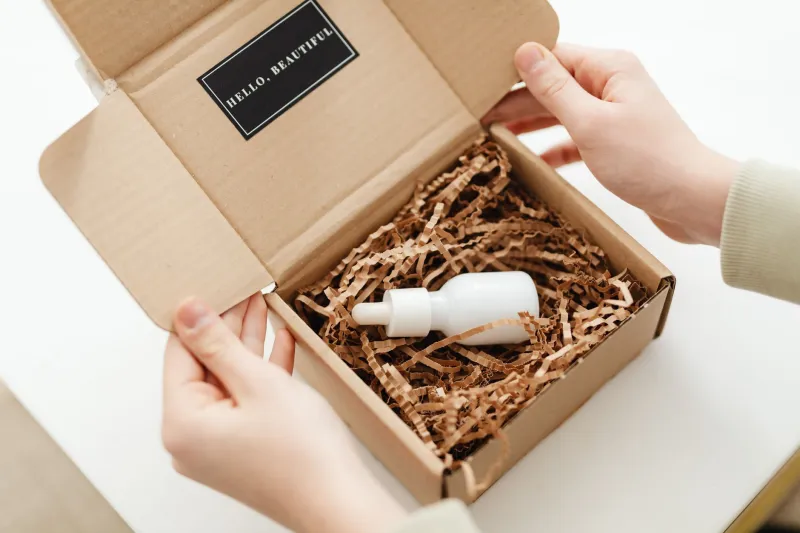
Brands that built their identities on the weight of a box and the crinkle of branded paper are now showing up at your door in something closer to a padded mailer. And they want you to feel good about it.
The Box Is Dead. Long Live the Box?
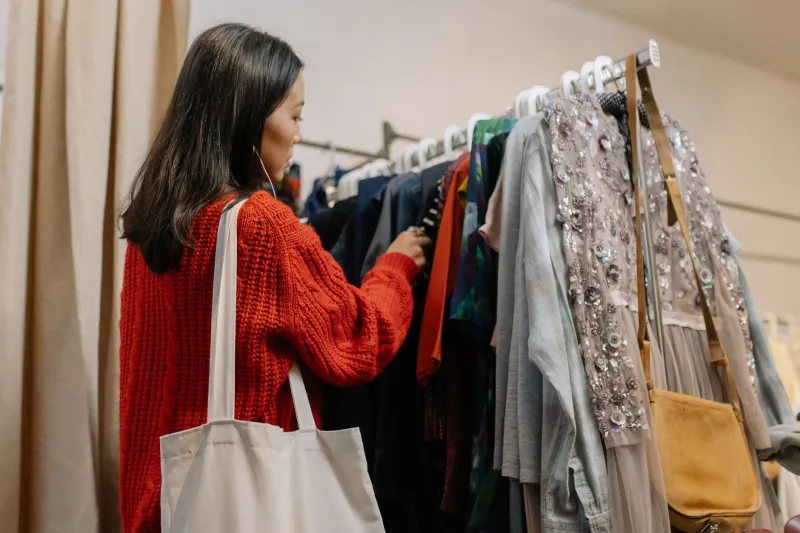
In the last two years, a notable wave of premium and luxury brands — from mid-tier skincare labels to genuine fashion houses — have announced packaging overhauls. The language is consistent: sustainable, intentional, responsible. The aesthetic is stark. Recycled kraft paper. Minimal ink. No excess fill. Some brands have eliminated the shopping bag entirely at physical retail, replacing it with reusable totes or simply asking customers to carry their purchase out unwrapped.
Bottega Veneta, known for its understated branding philosophy, has leaned further into packaging restraint. Aesop has long made sparse, functional packaging part of its identity. Newer players in the premium space — particularly in beauty and wellness — are going even further, shipping products with zero interior packaging beyond the product itself.
The question worth sitting with: when you remove the ceremony, what exactly are you selling?
What the Designers Are Saying
Packaging designers and brand strategists are divided on what this moment actually means.
"There's a genuine generational shift happening," says one brand consultant who works with premium consumer goods companies across the US and Europe. "Younger buyers — especially in the 25-to-38 bracket — have started to read excessive packaging as a red flag. It signals waste. It signals that a brand is trying too hard. Restraint, to them, communicates confidence."
That's a meaningful inversion. For most of the 20th century, more packaging meant more prestige. The heft of a Tiffany blue box carried cultural weight that the jewelry inside almost didn't need to earn. Now, that same visual language risks reading as performative — or worse, out of touch.
Other designers are more skeptical. "Stripping packaging down is cheaper," one veteran luxury goods creative director puts it bluntly. "If you can convince consumers that the absence of packaging is a virtue, you've done something very clever. You've turned a cost reduction into a brand value."
Both things can be true simultaneously, which is what makes this trend so slippery.
The Consumer Math
Talk to actual shoppers and the picture gets more complicated.
Maya, a 31-year-old product manager in Chicago who describes herself as a "conscious but not performative" shopper, says she appreciates when brands cut back on packaging — to a point. "I don't need four layers of tissue paper. But I also paid $180 for that serum, and when it shows up in basically a brown envelope, there's a part of me that feels... cheated? Even though I know that's irrational."
That tension — between environmental values and the emotional expectation of luxury — is exactly what brands are navigating right now. The unboxing experience, particularly as it migrated to social media, became its own content genre. Millions of views. Entire YouTube channels. The packaging was the marketing.
Removing it doesn't just change the product experience. It removes a massive, free advertising engine.
The Authenticity Question
Here's where it gets interesting from a cultural standpoint. The brands making the loudest noise about sustainable packaging aren't always the ones with the deepest commitment to environmental responsibility across their supply chains. A brand can swap out its ribbon for recycled twine while still manufacturing in conditions that would make any sustainability-minded consumer uncomfortable.
Consumer advocacy groups have started using the term "packaging washing" — a cousin to greenwashing — to describe brands that lead with minimalist presentation as a proxy for genuine ethical practice.
"The packaging is the most visible part of a brand's sustainability story," explains one retail industry analyst. "It's what customers see and touch. So brands invest heavily in making that piece look responsible, even when the rest of the operation hasn't caught up."
For the truly converted, this is frustrating. For the casually conscious consumer, it might be enough. And brands know it.
What Minimalism Actually Signals Now
There's a broader cultural conversation embedded in all of this. Minimalism — as an aesthetic, as a lifestyle, as a value system — has gone through its own complicated journey in the American consumer consciousness. It started as a counterculture response to excess. Then it got sold back to us at a premium. Now it's the default language of any brand that wants to appear thoughtful.
Stripping away packaging is, in a sense, the logical endpoint of that arc. You can't get more minimal than nothing.
But "nothing" still costs something. And the brands that have successfully made restraint feel luxurious are the ones charging accordingly. A $400 candle arriving in a single piece of recycled board doesn't feel cheap. It feels considered. The price tag does the work the tissue paper used to do.
Whether that's a genuine evolution in how we value things — or just a more sophisticated way of selling us the same story — might depend entirely on how much you paid for it.
The Ritual Isn't Gone. It Just Moved.
Maybe the most honest read on this trend is that the ritual of luxury hasn't disappeared. It's been internalized. The consumer who buys into minimalist packaging has already done the emotional work of reframing what luxury means to them. The restraint is the signal. The simplicity is the flex.
For brands, that's a remarkable place to land. The packaging isn't just reduced — it's outsourced. To the buyer's own values. To their identity.
Which means the box was never really about protection. It was always about feeling like you made the right choice.
Some things don't change, no matter how much tissue paper you take away.