Wearing Your Feelings: How Melancholy Became the Most Marketable Mood of Our Generation
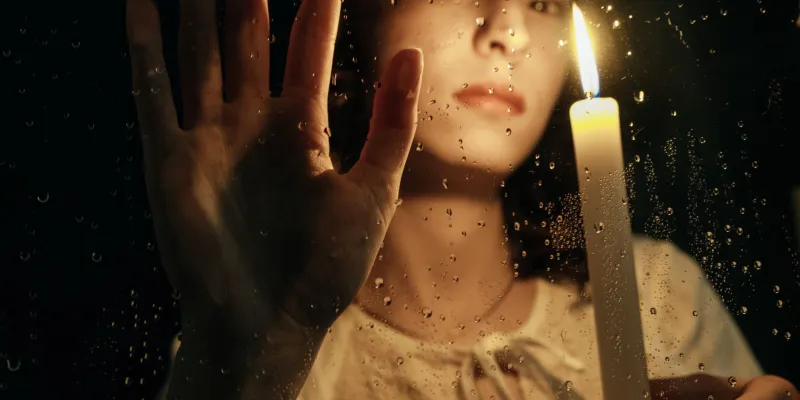
There's a particular kind of photo that keeps showing up on your feed. Pale morning light. A chipped mug of tea. Someone in an oversized cardigan staring out a rain-streaked window like they're the protagonist of a novel they haven't finished writing yet. No caption, or maybe just a single ellipsis. You know the vibe. You've probably double-tapped it.
What started as a corner of Tumblr culture has quietly grown into one of the defining aesthetic movements of the decade. Call it the grief aesthetic, the sad girl era, or just emotional core — whatever the label, the look is unmistakable, and the market around it is absolutely booming.
From Subculture to Storefront
Dark academia gave us the blueprint: think leather-bound books, tweed blazers, candlelight, and a general air of beautiful suffering. It spread through Pinterest boards and Tumblr reblogs long before TikTok even existed. But the current wave goes deeper than an aesthetic mood board. It's a full lifestyle identity — one that touches fashion, beauty, home décor, music playlists, and even the language people use to describe their inner lives.
The 'sad girl' makeup trend is probably the most visible entry point. We're talking smudged liner, barely-there blush, deliberately undone skin that looks like you've been crying elegantly for about an hour. Brands like e.l.f. and Rare Beauty have leaned hard into the emotional storytelling angle, framing their products not just as cosmetics but as tools for processing feelings. Selena Gomez built an entire brand identity around the idea that vulnerability is beautiful — and it's worked spectacularly.
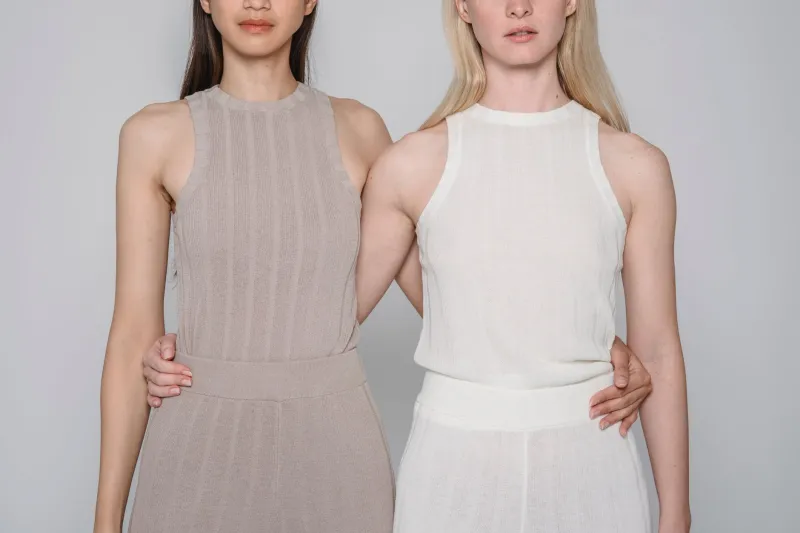
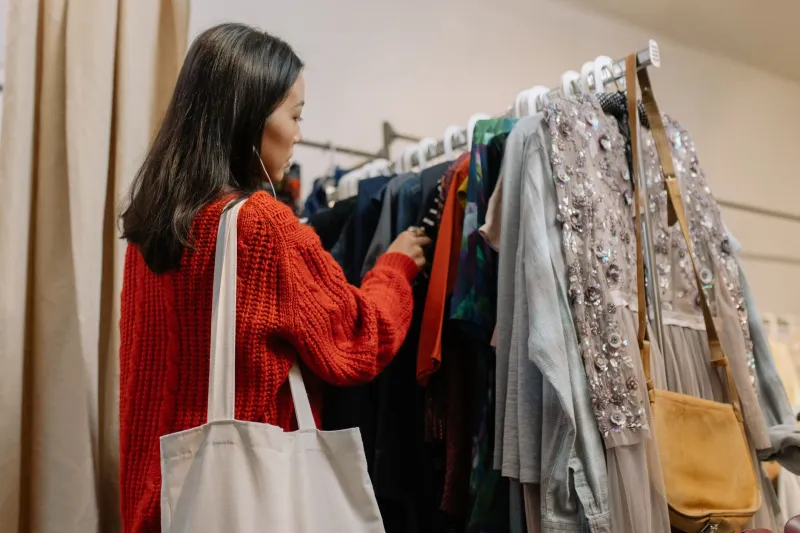
Clothing follows the same emotional grammar. Vintage slip dresses. Moth-eaten cardigans. Lace-trim camisoles worn like armor. Jewelry that looks inherited rather than purchased. The silhouette says I've lived something, even if you bought the whole look on Depop last Tuesday.
The Bedroom as a Mood Board
It's not just what people wear — it's where they live, at least visually. Melancholic home décor has carved out a serious niche, especially among renters in their twenties who are styling their apartments as emotional landscapes. Think dried flowers instead of fresh ones, fairy lights that cast gold rather than white, stacks of poetry collections used more as props than reading material, and vintage frames holding photos of strangers from flea markets.
Etsy sellers have caught on in a big way. Search 'cottagecore sad' or 'dark romantic décor' and you'll find hundreds of small shops selling everything from wax seal stamp sets to hand-poured candles with names like Grief and Longing. These aren't niche finds anymore — they're bestsellers.
The interior design world has a term for this: 'wabi-sabi adjacent,' meaning spaces that celebrate impermanence and the beauty in things that are worn, faded, or incomplete. But the Gen Z version feels less philosophical and more personal. The point isn't just aesthetic — it's emotional autobiography.
When Sadness Has a Price Tag
Here's where things get genuinely interesting — and a little complicated. The grief aesthetic didn't emerge in a vacuum. It grew alongside a generation that has been unusually public about mental health struggles, therapy, anxiety, and the general weight of being alive right now. That openness is real, and it matters.
But when brands start packaging that openness as a product, the lines get murky fast.
Consider how many brand campaigns now lean on the language of emotional wellness — 'give yourself permission to feel,' 'it's okay not to be okay' — while selling you a $68 candle or a limited-edition hoodie. The messaging sounds therapeutic. The transaction is still commercial. There's nothing inherently wrong with that, but it's worth sitting with the tension.
Creators have navigated this more honestly than most brands. The best 'sad girl' content creators on TikTok and YouTube — people building audiences around journaling, slow mornings, and emotional processing — tend to be remarkably transparent about the performance of it all. They'll film a 'crying in my car' video and then in the next breath recommend a journaling app, and somehow it doesn't feel cynical. Maybe because the audience understands the code: this is real and it's content. Both things are true.
The Politics of Performing Pain
Not everyone is comfortable with the trend, and the criticism isn't baseless. Some mental health advocates have raised concerns about aestheticizing sadness in ways that might romanticize depression or make it harder for people experiencing genuine crisis to seek help. There's a difference, the argument goes, between finding beauty in melancholy and glamorizing suffering.
There's also a conversation worth having about who gets to perform sadness safely. For young white women, the sad girl aesthetic is largely received as poetic and relatable. For Black women, Latinas, and other women of color expressing the same emotional register, the cultural reception has historically been far less gentle. The aestheticization of vulnerability is not equally distributed, and that's a real tension the trend hasn't fully reckoned with.
Feeling Forward
Despite all the complications, there's something genuinely new happening here — and it's not entirely cynical. A generation that grew up watching adults suppress emotion, perform happiness on social media, and treat mental health as a private shame has decided, loudly, to do the opposite. Wearing your sadness instead of hiding it is, in its way, a small act of refusal.
The grief aesthetic, at its best, creates permission. Permission to be unfinished, unpolished, and mid-process. The cardigan doesn't have to mean you're okay. The smudged eyeliner doesn't have to be cleaned up before you leave the house.
Whether that permission costs you $12 or $120 probably says more about the market than it does about the feeling.
And the feeling, for the record, is very much still free.