No Logo, No Problem: The Gen Z Aesthetic That's Making Branding Obsolete
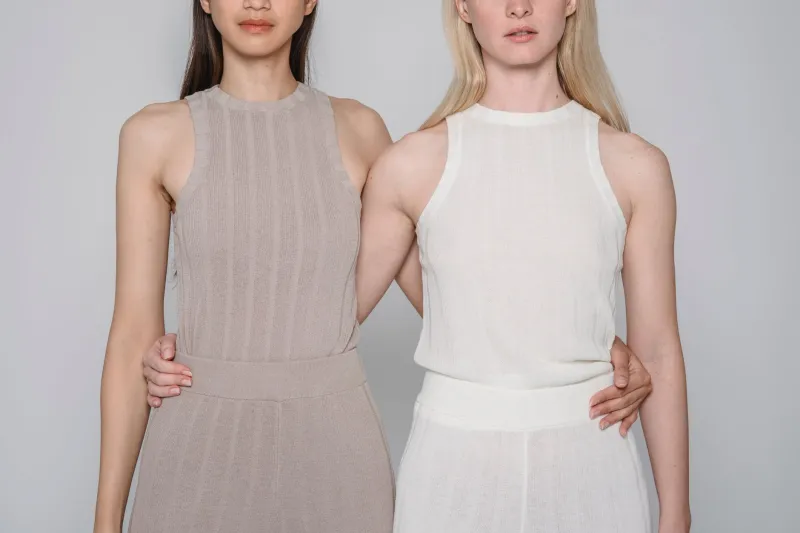
There's a particular kind of confidence in wearing nothing recognizable. No swoosh. No interlocking letters. No screaming colorblock that announces a brand before you even make eye contact. And increasingly, that's exactly the vibe a significant chunk of Gen Z is going for — on purpose.
Call it quiet luxury, invisible wealth, or just really good basics. Whatever the label, the aesthetic is spreading fast, and it's reshaping how young Americans think about clothes, status, and what it actually means to look like you have taste.
The Death of the Logo Flex
For most of the 2010s, branding was the point. Logomania — that maximalist love affair with visible insignia — peaked somewhere between Gucci's revival era and the Supreme resale boom. Wearing a logo wasn't just fashion; it was a social signal, a shorthand for where you stood in the cultural hierarchy.
But something shifted. Slowly, then all at once, a counter-movement emerged. Pieces from labels like Loro Piana, The Row, and Brunello Cucinelli — names that mean almost nothing to people outside fashion circles — started showing up everywhere from Pinterest mood boards to TikTok style recaps. The common thread? Almost none of them have a logo you'd spot from across the room.
The appeal isn't accidental. These brands built their reputations on fabric weight, precise tailoring, and a kind of restrained elegance that doesn't need a label to justify its price tag. A $2,000 cashmere pullover from Loro Piana looks, to the untrained eye, like a very nice sweater. That's the whole point.
What 'Invisible Wealth' Actually Means
The term 'old money aesthetic' has been floating around social media for a couple of years now, and it's not entirely separate from what's happening here. But quiet luxury goes a step further — it's less about cosplaying generational wealth and more about a deliberate rejection of the attention economy.
Think about it: Gen Z grew up being documented. Every birthday, every first day of school, every awkward phase — photographed, posted, catalogued. By the time they were old enough to buy their own clothes, the idea of dressing for the camera was already exhausting. Dressing away from it started to feel radical.
Unbranded basics — a well-cut white tee, a perfectly proportioned trench coat, trousers that actually fit — carry a different kind of status now. They suggest someone who doesn't need external validation to feel put together. In a culture where clout is currency, opting out of that system reads as its own kind of power move.
The Brands That Benefit (And the Ones That Don't)
The market is paying attention. Smaller American labels like Entireworld, Everlane, and even the relaunched Banana Republic have leaned into the idea of elevated basics without the branding noise. Overseas, labels like COS and Arket — both Scandinavian in sensibility if not always in origin — have found massive US audiences precisely because they offer that understated quality without the logo tax.
Meanwhile, some of the biggest heritage luxury houses are watching their logo-heavy lines plateau. Supreme's resale premiums have cooled. Monogram-heavy bags that once defined aspirational fashion are starting to feel, at least to a certain demographic, a little loud.
That doesn't mean logos are dead — not even close. Streetwear still thrives, and there's a whole ecosystem of consumers who want exactly that visibility. But the market is fragmenting, and the quiet side of that split is growing louder by the season.
Thrift Stores and the Basics Paradox
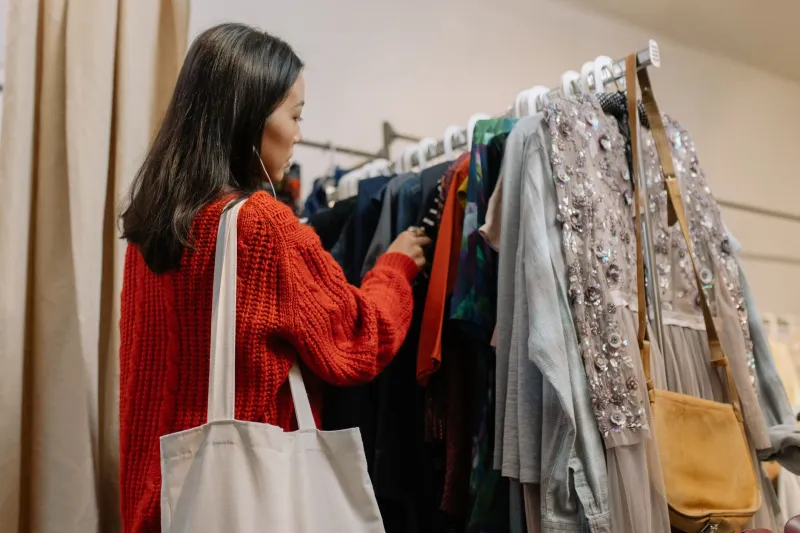
Here's where it gets interesting: not everyone chasing this aesthetic is spending Loro Piana money. A big part of the quiet luxury wave is happening at thrift stores, where vintage wool coats and deadstock dress shirts offer the same visual restraint at a fraction of the cost.
Secondhand platforms like Depop and ThredUp are full of listings tagged with 'quiet luxury' or 'clean aesthetic,' and they move fast. A well-preserved cashmere sweater from a no-name brand or a vintage blazer with no visible insignia can achieve exactly the same effect as its four-figure equivalent — if the cut is right and the fabric holds up.
This is the paradox at the center of the movement: an aesthetic that originated in ultra-high-end fashion has become remarkably democratic. You don't need money to look like you have taste. You just need to know what to look for.
Is This Just Another Trend?
Skeptics will point out — fairly — that 'quiet luxury' is itself a trend, just one that's more subtle than the ones it's reacting against. Naming it, tagging it, building TikTok content around it is its own form of social media documentation. The irony of going viral for not wanting to be seen isn't lost on anyone paying attention.
But there's something underneath the aesthetic that feels more durable than a seasonal moment. Gen Z's relationship with status is genuinely complicated. They came of age during economic instability, watched wealth inequality widen in real time, and developed a pretty sharp radar for what feels authentic versus performative. Dressing in a way that doesn't announce itself is, for many of them, less about pretending to be rich and more about opting out of a game they never agreed to play.
Whether that translates into a lasting cultural shift or just the next thing to be replaced by something louder remains to be seen. But right now, the quietest corner of the wardrobe is making the most noise.