Dead Stock, New Life: How Secondhand Shopping Became Gen Z's Loudest Fashion Statement
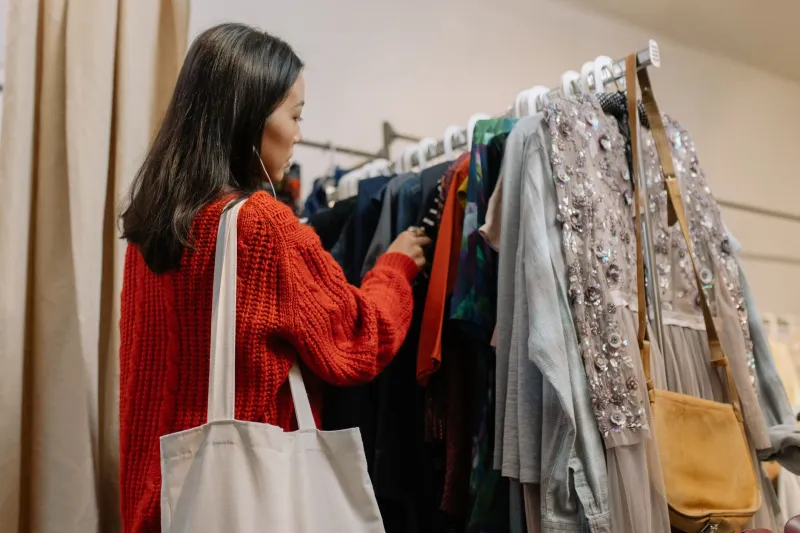
There's a corner of the internet where a beat-up pair of Levi's 501s from 1994 can fetch $180, and a faded Nirvana tee sells before you've even finished your morning coffee. Welcome to the secondhand economy — and more specifically, welcome to the world Gen Z has built inside it.
This isn't your grandmother's thrift store run. What's happening right now in American resale culture is something closer to a full-on fashion revolution, one that's rewriting the rules of what it means to get dressed.
From Shame to Status Symbol
Not long ago, wearing secondhand clothes carried a stigma — a quiet signal that you couldn't afford something new. That perception has flipped almost entirely. Today, scoring a rare vintage piece is a flex. It signals taste, patience, and a certain kind of cultural literacy that no fast-fashion haul can fake.
Platforms like Depop, Grailed, and ThredUp didn't just create marketplaces — they created communities. Depop in particular reads more like a social media app than a shopping site, with sellers building personal brands around their curation style. A kid in Ohio can become a respected tastemaker by knowing how to spot a good '90s windbreaker or a pristine Y2K-era Polo Sport pullover. The algorithm rewards aesthetic consistency, and the best sellers have figured out that they're not just moving product — they're storytelling.
Grailed, which leans heavier into menswear and high-end streetwear, has cultivated its own ecosystem of obsessive collectors. You'll find everything from deadstock Supreme drops to archival Helmut Lang, all filtered through a community that takes provenance seriously. These aren't just transactions. They're conversations about fashion history.
The Entrepreneurs Rewriting Retail
Meet the new American small business owner: a 22-year-old with a ring light, a steamer, and an encyclopedic knowledge of vintage denim washes.
Across the country, young resellers are building genuine businesses out of what started as weekend hobby flipping. Some are sourcing from estate sales in the Midwest and shipping to buyers in New York and LA. Others are setting up pop-up booths at local vintage markets in cities like Austin, Chicago, and Portland — turning physical retail into an event, complete with curated racks and a vibe that no chain store can replicate.
What's notable is how seriously these sellers take education. TikTok and YouTube have become informal trade schools for vintage authentication, with creators breaking down how to date a piece by its label font, stitching style, or fabric composition. The knowledge is democratized and freely shared, which has both raised the quality of inventory across the board and made buyers more discerning than ever.
Sustainability as Identity, Not Obligation
Ask a Gen Z shopper why they buy secondhand and you'll get a range of answers. Some lead with the environmental argument — and it's a real one. The fashion industry is one of the world's largest polluters, and buying used extends the life cycle of a garment rather than feeding demand for new production. That matters, and younger consumers genuinely care about it.
But sustainability here isn't just a moral checkbox. It's become part of how this generation constructs identity. Buying vintage is a rejection of the disposable culture that fast fashion built. It's a way of saying: I'm not buying into the system. And that message lands with real cultural weight among a cohort that grew up watching trend cycles burn through in weeks rather than seasons.
The irony, of course, is that secondhand has developed its own hype cycles. A viral TikTok about "quiet luxury thrifting" can strip local Goodwill shelves bare within days. Supply and demand don't disappear just because the marketplace is resale — they just operate differently.
Luxury and Fast Fashion Are Both Paying Attention
The fashion industry's response to the secondhand boom has been telling. Luxury houses that once turned their noses up at the resale market are now leaning in. Gucci partnered with The RealReal. Burberry has explored take-back programs. Even Levi's launched its own "SecondHand" platform to capture resale revenue directly rather than ceding it to third parties.
On the fast-fashion end, brands like Zara and H&M have rolled out in-store recycling and resale initiatives — though critics argue these moves are more about optics than genuine structural change. The core business model of producing enormous volumes of cheap clothing hasn't fundamentally shifted. But the pressure is real, and it's coming directly from the consumer base these brands need most.
What Gen Z has essentially done is vote with their wallets in a way that's impossible to ignore. When your target demographic is actively choosing a 30-year-old flannel over your new-season drop, that's not a trend — that's a market signal.
What Comes Next
The secondhand economy in the US is projected to hit $350 billion by 2027, according to ThredUp's annual resale report. That number alone tells you this isn't a subculture anymore — it's a major commercial force.
But as resale scales, it faces real tensions. Gentrification of thrift stores — where prices rise as secondhand becomes fashionable — has frustrated lower-income shoppers who relied on affordable options. The commodification of vintage risks turning a countercultural impulse into just another consumer category with its own gatekeeping and status games.
Still, what Gen Z has managed to pull off is genuinely impressive. They've taken an act as simple as buying used clothes and turned it into a cultural statement, an entrepreneurial opportunity, and a legitimate challenge to an industry that desperately needed one. The racks are deep, the knowledge is shared, and the movement isn't slowing down.
Shop accordingly.