The Most Expensive Nothing: Inside the Luxury Trend Selling You Absolutely Less
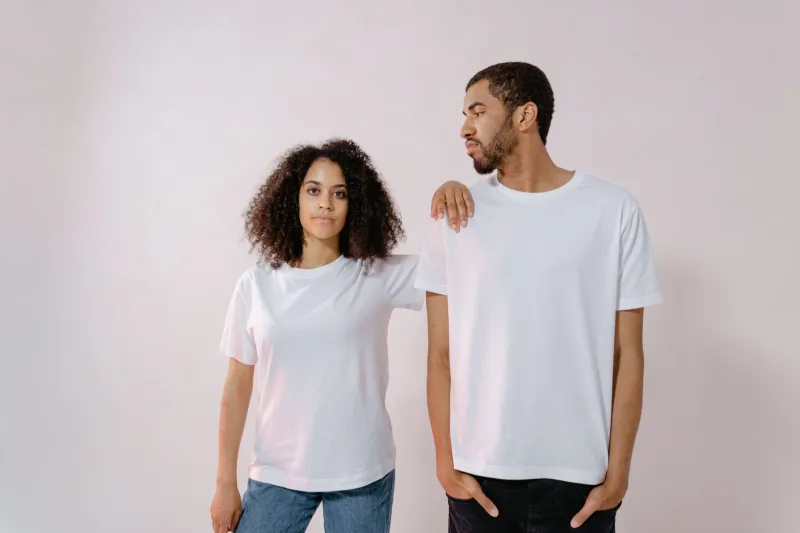
Consider the t-shirt. White. No logo. No graphic. No interesting cut. Cotton, probably good cotton, but cotton nonetheless. It costs three hundred and fifty dollars.
You've seen this shirt. You may have wanted this shirt. If you're being honest, you might understand, on some level, why it costs that much — not because of what it is, but because of what it refuses to be.
This is the new luxury paradox, and it's reshaping the high end of American fashion and design in ways that would have seemed genuinely absurd ten years ago. The most desirable products aren't the most elaborate ones anymore. They're the most restrained. The emptiest. The ones that look, to an untrained eye, like nothing at all.
The Loudest Quiet
Minimalism in design isn't new. The Bauhaus movement was doing 'less is more' in the 1920s. Apple made a religion of it in the 2000s. But what's happening now is something subtly different — it's not minimalism as a design philosophy, it's minimalism as a flex.
The distinction matters. Design minimalism is about removing everything unnecessary to let function and form speak clearly. What luxury brands are selling now is something closer to deliberate blankness — products that are empty as a statement, not as a solution. The blankness is the product. You're paying for the absence.
A plain tote bag from a heritage French house. A featureless leather card holder. A fragrance described, without irony, as 'the smell of nothing.' These aren't simplified versions of more complex products. They are, intentionally, the least amount of thing a thing can be.
Who Can Afford to Buy Nothing
The social logic here is elegant, if a little brutal. In an era of hyperconsumption — when fast fashion means most people have more clothes than they can wear, when every product is covered in branding, when excess is everywhere and cheap — restraint becomes rare. And rarity is what luxury has always sold.
Wearing a logo used to signal wealth. Now anyone can buy a logo tee from a fast fashion dupe. The truly wealthy response is to remove the logo entirely. The blank shirt says: I don't need to tell you this is expensive. You should already know.
It's a form of in-group signaling that works precisely because it's illegible to outsiders. If you have to ask why the shirt costs three hundred and fifty dollars, you're not the intended audience. The product is designed to be invisible to people who aren't already in the know — which is, of course, exactly the point.
The Quiet Luxury Pipeline
This trend has a name that's been circulating in fashion media for a couple of years now: quiet luxury. It describes a specific aesthetic — neutral tones, quality materials, zero branding, silhouettes that are classic to the point of anonymity. The look associated with old money, with people who've been wealthy long enough to find ostentation embarrassing.
The cultural references are telling. Succession put this aesthetic on a massive platform. The Roys didn't wear logos. They wore cashmere in oatmeal tones and leather shoes that looked like they'd been resoled three times. The clothing communicated wealth by communicating nothing — which is itself a very specific kind of communication.
Social media picked it up immediately. 'Old money aesthetic' became a Pinterest board, a TikTok genre, an aspiration. Which created its own irony: a trend defined by its resistance to trendiness became extremely trendy. Brands that had been quietly doing this for decades suddenly found themselves in think pieces and shopping guides.
The Democratization Problem
Here's where it gets philosophically messy. The appeal of quiet luxury for the people who can actually afford it depends on exclusivity. The blank shirt works as a status signal because most people can't buy it. Once the aesthetic gets widely replicated — and it always does — the signal breaks down.
Fast fashion brands have already released their versions of the quiet luxury look. Neutral tones, minimal branding, 'elevated basics' at accessible price points. Which means the visual language of restraint is now available at every price tier, and the actual expensive version has to work harder to distinguish itself.
The response from high-end brands has been to double down on materials and craftsmanship — the things that don't photograph but that you can feel. The three-hundred-and-fifty-dollar shirt is, presumably, made from better cotton, cut more precisely, finished more carefully than its thirty-five-dollar equivalent. The product is still blank, but the blankness is higher quality. You're paying for a better nothing.
Emptiness With Edges
There's a version of this trend that's genuinely interesting and a version that's a little absurd, and they coexist pretty comfortably.
The interesting version is about craft and longevity — the idea that a well-made, simple thing that lasts twenty years is more sustainable and ultimately more satisfying than a complicated thing that falls apart in two. There's real value in that. A plain cashmere sweater that you wear for a decade is a different kind of investment than something covered in seasonal details that date immediately.
The absurd version is selling 'air' candles and featureless phone cases as lifestyle statements, packaging absence as aspiration and charging accordingly. It's luxury eating itself — a market so saturated with things that the only move left is to sell the idea of nothing and call it sophistication.
Both versions are real. Both are happening simultaneously. The brands doing it best understand that the nothing has to be a very good nothing — that restraint without quality is just emptiness, and emptiness without craft is just cheap.
The three-hundred-and-fifty-dollar shirt had better be a really good shirt. Otherwise, you're just paying for the absence of a logo, and that's a different kind of nothing entirely.