Slow Down, You Move Too Fast: Gen Z Is Done Chasing Trends and It's Reshaping Everything
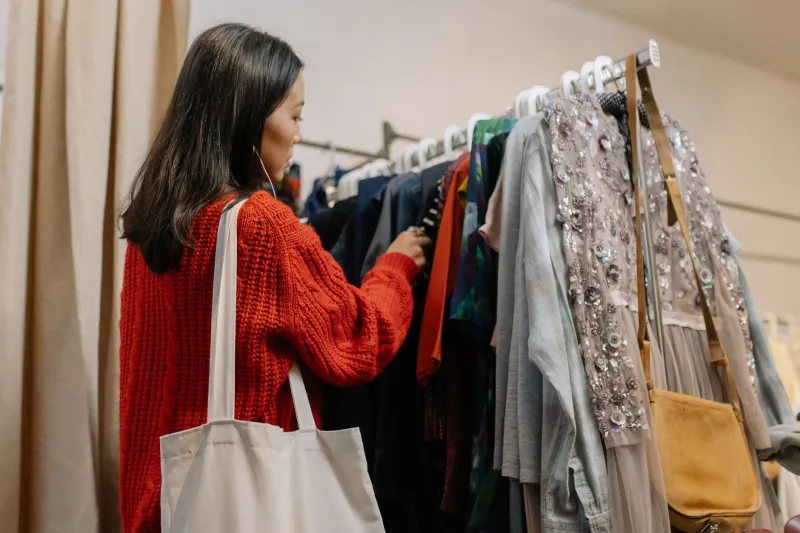
Not long ago, the fashion internet ran on a particular kind of anxiety. A micro-trend would ignite on TikTok on a Monday — the 'coastal grandmother' thing, or 'quiet luxury,' or whatever shade of brown was suddenly the only acceptable color — and by Thursday it had been worn, documented, mocked, and declared over. The cycle was exhilarating and exhausting in equal measure, and for a while it seemed like that pace was just the new normal.
Then something strange happened: people started getting off the ride.
The Burnout Nobody Saw Coming
The term circulating in certain corners of the internet is 'deceleration' — a deliberate slowing down of consumption habits in response to trend fatigue. It's not minimalism exactly, and it's not the same as the cottagecore-adjacent 'slow living' aesthetic that had its own moment a few years back. This is something more structural: a growing rejection of the idea that staying culturally current requires constant purchasing.
"I used to spend probably $300 a month on clothes," says Talia, a 22-year-old student in Philadelphia. "Not even nice clothes — just stuff that felt relevant for like a month. At some point I looked at my closet and nothing felt like me. It all felt like someone else's idea of what I should be wearing right now."
She's not alone. Data from ThredUp's 2024 Resale Report showed a marked increase in younger consumers describing their shopping behavior as 'intentional' — a word that would have sounded like marketing copy five years ago but now functions as genuine consumer identity. The resale market continues to boom, but the more interesting shift is in why people are buying secondhand: less treasure hunt, more deliberate rejection of new.
The Environmental Math That Hit Different
Something cracked open in the cultural conversation around fashion's environmental impact, and it cracked open specifically for Gen Z in a way it hadn't for previous generations. Maybe it was the viral footage of the Atacama Desert in Chile, piled high with discarded fast fashion. Maybe it was the proliferation of documentary content about garment worker conditions. Maybe it was just the compounding weight of climate anxiety finding a concrete outlet.
Whatever the trigger, a meaningful portion of younger consumers has internalized a simple equation: buying less is a form of activism that requires no special effort, no extra money, and no organizational membership. You just... stop.
"Trend culture is a climate issue," says Darius, 24, who runs a small vintage resale account in Brooklyn. "That's not a radical statement anymore. It's just math. And once you see it, you can't unsee it."
The psychological dimension is equally significant. Research from the American Psychological Association has linked social media comparison behavior to anxiety and diminished self-worth — and trend culture is, at its core, a comparison engine. Opting out isn't just environmentally motivated; for many young people, it's a mental health decision.
The Brands That Figured Out Stability Sells
The fashion industry's first instinct was to absorb the anti-trend trend — to make 'timeless' and 'classic' the new trend, which is exactly as ironic as it sounds. But a handful of brands have done something more genuine: they've stopped pretending that novelty is the point.
Everlan, the direct-to-consumer basics brand, built its entire identity around the promise that its white t-shirt would look the same in five years as it does today. Carhartt — a 130-year-old workwear company that never cared about trends in the first place — has become a genuine cultural touchstone for exactly that reason. New Balance, once mocked as 'dad shoes,' spent a decade doing almost nothing to chase hype and emerged as one of the most coveted sneaker brands in America.
The pattern is consistent: brands that offered consistency in an era of constant reinvention ended up looking prescient.
"We've never chased a trend in our history," says a spokesperson for a heritage outerwear brand that declined to be named but has seen double-digit growth among 18-to-24-year-old consumers over the past three years. "And suddenly that's our biggest selling point. We didn't plan that. We just never stopped doing what we always did."
The Tension Inside the Slowdown
It would be tidy to end here, with a clean narrative about conscious consumers defeating the churn machine. But reality is messier.
For one thing, 'slow fashion' has itself become a trend — complete with its own aesthetic codes, its own influencer ecosystem, its own pressure to perform intentionality correctly. The thrift haul video that's supposed to represent anti-consumerism still generates the same dopamine loop as any other shopping content. The vintage Levi's jacket that signals 'I don't care about trends' costs $180 on Depop.
There's also a class dimension that rarely gets acknowledged in these conversations. Opting out of fast fashion is easiest when you can afford to buy fewer, better things — or when you have the time and access to hunt for quality secondhand. For lower-income consumers, fast fashion exists because it's fast and cheap, not because they're indifferent to the consequences.
"I think about who gets to be 'intentional,'" says Dr. Keisha Monroe, a consumer culture researcher at Howard University. "It's a practice that requires resources — financial, temporal, informational. When we celebrate the slowdown, we should be honest about who's included in that 'we.'"
The Shift That's Actually Happening
Strip away the aesthetic performance and the class complications, and something real is still happening. The 72-hour trend cycle is losing its grip on at least part of its audience. The anxiety that used to drive compulsive purchasing is, for some people, being redirected — toward quality, toward longevity, toward buying things that actually reflect who they are rather than who the algorithm says they should be this week.
That's not a revolution. But it might be the beginning of one.
Or, as Talia puts it: "I just want to wear clothes I actually like. Is that so complicated?"
For the fashion industry, apparently, it kind of is.