The Mess Is Staged: How 'Unfiltered' Became the Most Polished Look Online
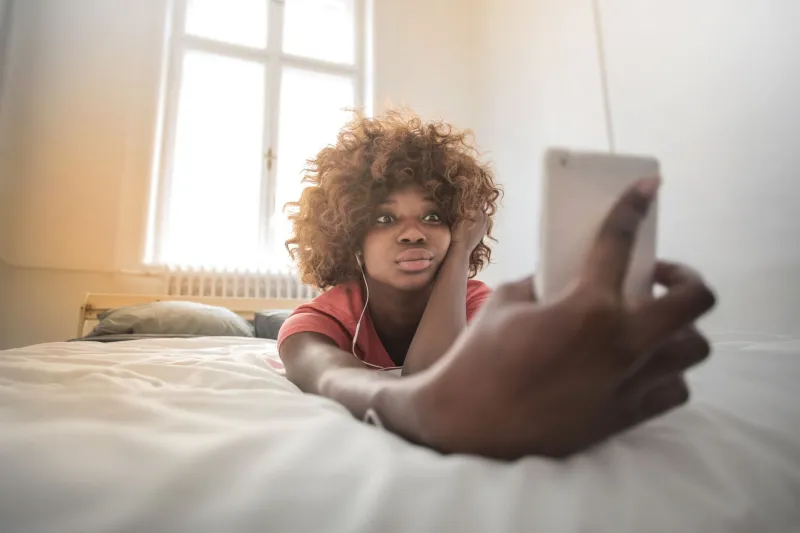
There's a specific kind of TikTok that starts with a shaky camera, a face that's clearly been crying, and a caption that reads something like "not gonna pretend everything is fine." It gets 2.3 million views. The comments flood in: so real, this is why I follow you, thank you for being vulnerable. What nobody mentions — what everyone somehow already knows — is that the person filming it did at least three takes.
Welcome to the authenticity paradox, where being "real" is the most labor-intensive performance on the internet.
When Vulnerability Became a Content Format
It didn't happen overnight. The shift from polished Instagram grids to "raw" TikTok confessionals felt, at first, like a genuine cultural correction. People were tired of aspirational perfection — the flat lays, the golden-hour bikini shots, the smoothie bowls that no living human actually ate for breakfast. So the internet pivoted. Realness became the new aesthetic.
But here's the thing about aesthetics: they have rules. And the rules of "authentic content" are, if anything, stricter than the ones they replaced. Your crying selfie needs good lighting — not studio lighting, but the soft, diffused glow of a bedroom window at 4 p.m. Your "I woke up like this" post needs the right kind of bedhead. Your mental health check-in needs to be vulnerable enough to feel honest but composed enough not to make your followers uncomfortable. Miss any of those marks and the algorithm — and the audience — will let you know.
This is the trap. Authenticity, as a content category, demands constant production. And the more it's produced, the less authentic it actually is.
The Brand Playbook Nobody Admits To
Brands figured this out before most creators did. The mid-2010s saw a wave of companies ditching glossy ad campaigns in favor of lo-fi aesthetics, candid employee Instagram stories, and CEOs posting "honest" LinkedIn confessionals about their failures. Glossier built an empire on the language of skin, not makeup. Patagonia made their environmental guilt look like a personality. Even fast fashion brands started leaning into "real bodies" and "unretouched" imagery — while still, quietly, casting models and retouching images.
The message was always the same: we're not like other brands. But the mechanism was identical. It was marketing. Just marketing that had learned to wear a flannel shirt and skip the tripod.
What's fascinating — and a little unsettling — is how effectively that playbook transferred to individual creators. The influencer economy essentially turned personal vulnerability into a product category. Burnout content. Breakup content. Therapy content. Each one packaged with the same invisible infrastructure as any other sponsored post: a hook, a narrative arc, a call to action (even if that action is just follow for more). The raw moment and the brand deal started to look increasingly similar.
The Exhausting Math of Being "Yourself"
For younger audiences — Gen Z especially — this creates a genuinely impossible standard. On one hand, there's enormous cultural pressure to be authentic online. Performative positivity is cringe. Overly curated feeds read as try-hard. The cool thing is to be real. On the other hand, the platforms themselves are built to reward optimization. Posting at the right time, using the right sounds, hitting the right emotional beats. You can be real, but you have to be strategically real.
The result is a generation that has become extraordinarily skilled at producing the feeling of authenticity without necessarily experiencing it. They know how to frame a candid. They know which fonts make a text post look personal rather than designed. They know that posting a photo with a slightly awkward expression reads as more relatable than a perfect smile. These aren't criticisms — they're survival skills for a media environment that demands constant self-presentation.
But the psychological cost is real. When your most vulnerable moments become content, the line between living and documenting gets blurry fast. Some creators have talked openly about reaching for their phone during genuinely difficult moments — not because they wanted to share, but because the impulse to frame and post had become reflexive. The performance and the experience had fused.
What "Real" Actually Looks Like Now
Here's the irony at the center of all this: the things that actually feel authentic online are increasingly rare precisely because they're not optimized. The friend who posts blurry concert photos with no caption. The account that goes dark for three months and comes back with zero explanation. The creator who says something genuinely unpopular and doesn't immediately walk it back. These moments land differently because they haven't been processed through the authenticity machine.
They're also, notably, not monetizable. Which might be the most honest thing about them.
The hunger for genuine connection online isn't going anywhere. If anything, as AI-generated content floods every platform and deepfakes make visual reality increasingly unreliable, the desire for something that feels actually human is only going to intensify. The question is whether the platforms and the economy built around them will ever allow that hunger to be fed — or whether they'll just keep selling us increasingly sophisticated simulations of it.
The Filter You Can't See
Maybe the most useful reframe is this: every piece of content, no matter how raw it looks, has been filtered. Not necessarily through a beauty app or a color grade, but through the decision to share it at all. Through the choice of angle, of caption, of timing. Through the awareness — conscious or not — of how it will land.
That's not a moral failure. It's just what it means to communicate. We've always curated ourselves for different audiences. The difference now is that the audience is everywhere, the archive is permanent, and the feedback is instant.
So the next time someone's "unfiltered" post makes you feel like you're not being real enough with your own life, remember: their mess is staged too. Probably better than yours. And they probably spent twenty minutes getting it right.
That's not a reason to distrust them. It's just the world we're all living in now — performing realness for each other, hoping someone, somewhere, actually means it.