Effortless Is a Full-Time Job: The Exhausting Art of Looking Like You Don't Care
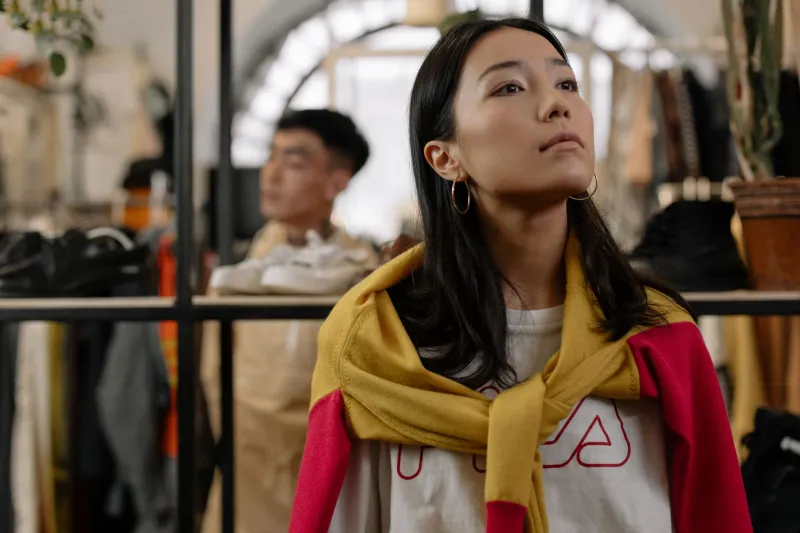
There's a specific kind of photo blowing up on TikTok and Instagram right now. Bad lighting. Slightly blurry. The subject is mid-laugh, looking anywhere but the camera, wearing something that appears to have been grabbed off a bedroom floor five minutes before leaving the house. The caption is lowercase, probably three words, maybe just an emoji. It has 400,000 likes.
Somebody planned that.
We're living through one of the more fascinating contradictions in recent cultural memory: a generation that loudly rejects the polished, aspirational image-making of millennials has quietly constructed its own version of it — one where the performance is performing like there's no performance. The aesthetic is anti-aesthetic. The brand is being unbrandable. And pulling it off takes more work than anyone's willing to admit.
The Rise of the 'Unfiltered' Filter
Cast your mind back to the early 2010s. Instagram was a highlight reel. Perfectly plated avocado toast. Vacation photos that looked like magazine spreads. Faces smoothed to an uncanny glow. The criticism was loud and eventually stuck — that kind of performative perfection started to feel hollow, even predatory. Gen Z absorbed that critique, internalized it, and then did something unexpected: they turned rejecting that perfection into its own polished product.
The BeReal app was supposed to fix things. Spontaneous, unannounced, two-minute windows to capture real life. Within months, people were staging their BeReals. Waiting for a more interesting moment. Retaking when the first shot was too boring. The app designed to kill curation became another curation tool. Nobody was surprised, but everyone pretended to be.
Now the dominant aesthetic across platforms favors grain over gloss, vintage point-and-shoots over iPhone portrait mode, thrifted fits over coordinated outfits. All of which sounds genuinely countercultural until you notice that the grain is applied in post, the vintage camera cost $200 on eBay after going viral, and the 'random' thrifted fit was assembled over three separate Depop sessions and two trips to Goodwill.
Anti-Fashion Is Still Fashion
Fashion has always had a complicated relationship with the idea of not caring about fashion. Think of the studied nonchalance of 90s grunge, the deliberately ugly sneakers of the 2010s, the normcore movement that made Gap basics a statement. Each time, 'opting out' of trends became the trend. Gen Z's version is just faster, more self-aware, and operating at a scale those earlier movements never had to contend with.
What's genuinely new is how explicitly the rejection is articulated. Previous generations might have worn their disinterest quietly. Now there are entire content verticals dedicated to the philosophy of not caring — 'that girl' who woke up like this, 'clean girl' aesthetics built around looking like you skipped makeup (while wearing $60 tinted moisturizer and precisely placed blush), 'old money' vibes that require knowing exactly which boring beige sweater signals wealth without announcing it.
The irony isn't lost on everyone. Plenty of Gen Z creators are openly, even gleefully, self-aware about the contradiction. 'Spending three hours looking like I didn't try,' reads a caption over a perfectly lit mirror selfie. The joke lands because it's honest. But honesty about the performance doesn't dissolve the performance — it just adds another layer to it.
Status Without the Logo
Here's where it gets philosophically interesting. Traditional status signaling was legible. A logo, a price tag, a recognizable silhouette — these communicated something clear about where you stood. What Gen Z has engineered is a status system that's deliberately illegible to outsiders while remaining perfectly readable within the group.
Knowing which thrift store is worth the trip, which obscure brand is actually cool versus which one is trying too hard, which vintage piece reads as intentional versus clueless — this is cultural capital operating at a high level. It's exclusivity through literacy rather than price point. And because it can't be easily bought (you can buy the clothes, but you can't buy the knowledge of how to wear them), it's arguably more effective as a status marker than a logo ever was.
The ultimate flex, in this framework, is appearing to have no interest in flexing. The most curated look is the one that looks uncurated. The most intentional image is the one that looks accidental. It's a closed loop of effort and denial that would make a philosophy professor's head hurt.
When Authenticity Becomes a Product
Brands figured this out fast. The marketing pivot over the last few years has been dramatic — away from aspirational imagery and toward 'real' content that's been meticulously crafted to appear unpolished. User-generated content aesthetics, deliberately awkward product placements, influencers who seem to just happen to mention something mid-ramble. The language of authenticity has been fully absorbed by the machinery it was supposed to resist.
This puts Gen Z in a genuinely tough spot. The tools they developed to push back against manufactured perfection have been adopted and scaled by the same commercial forces they were pushing back against. And the response, typically, is to move the goalposts — to find the next thing that feels real, knowing it'll be co-opted eventually, and then find the next thing after that.
It's exhausting in a way that doesn't get acknowledged enough. Staying ahead of the authenticity curve requires constant vigilance, constant calibration. The person who looks the most effortless has often spent the most effort getting there.
So What's Actually Real?
Maybe the honest answer is that authenticity was never really the point. What Gen Z is actually negotiating — like every generation before them — is identity. Who am I, how do I want to be seen, what do I believe in? The specific aesthetic language changes. The underlying human need doesn't.
The difference now is the speed and the self-awareness. This generation grew up watching the mechanics of image-making in real time, and they're acutely conscious of how it works. That doesn't necessarily make them more cynical — it might actually make them more honest about the game they're playing. Admitting that 'effortless' took effort is, in its own way, more authentic than pretending otherwise.
There's something almost admirable about building an aesthetic philosophy around a paradox and then leaning into it openly. It's not confusion. It's just life, operating at internet speed, with better lighting than it's letting on.