Small Room, Big Sound: America's Underground Music Scenes Are Having Their Moment
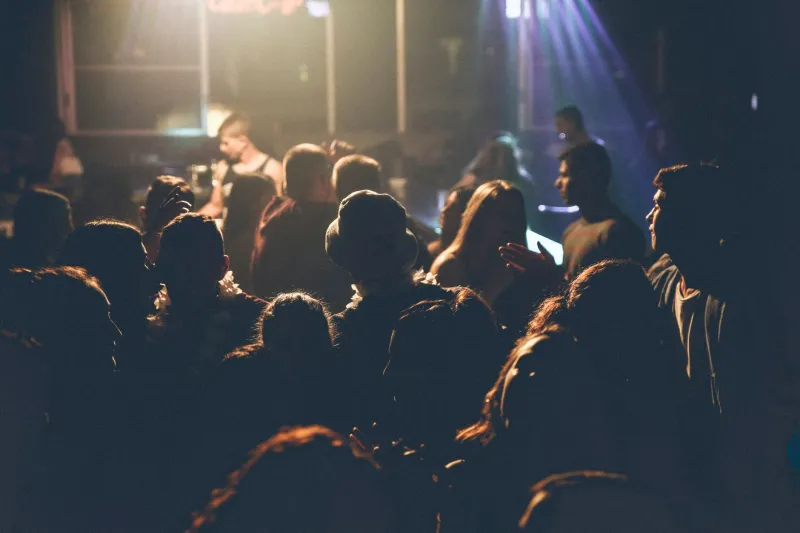
The room smells like spilled beer and dry ice. There are maybe 150 people packed in, phones raised just enough to catch a clip but not enough to block the view. The band onstage has 12,000 Instagram followers and zero label representation. By midnight, three of those 150 people will have posted something that gets seen by 40,000 strangers across the country.
This is what underground music looks like in 2025 — and it's thriving in ways that would have seemed impossible fifteen years ago.
The Paradox Nobody Saw Coming
Here's the thing about the streaming era that nobody quite predicted: it made the big stuff feel enormous and the small stuff feel essential. When every major artist is accessible at any moment on any device, the experience of discovering something before it explodes carries a completely different emotional weight.
Social media was supposed to flatten everything — to make geography irrelevant and turn every artist into a content machine chasing the same algorithm. And for a lot of mainstream music, that's exactly what happened. But for underground and DIY scenes, the opposite dynamic has emerged. Platforms like TikTok, Instagram, and even Spotify's editorial playlists have become discovery engines that feed curious listeners back into local scenes rather than pulling them away.
A 19-year-old in Phoenix hears a clip of a show in Detroit, finds the artist's profile, sees they're playing a small venue in Tempe next month, and shows up. The digital breadcrumb trail leads back to a physical room, a real crowd, a shared moment that no algorithm can manufacture.
City by City: Where the Energy Is
Ask anyone paying attention to American underground music right now and you'll get a different city as the answer, depending on who you ask. That's the point — the energy is genuinely distributed.
Chicago has always had a deep DIY infrastructure, but the past few years have seen a new wave of experimental artists building followings through a circuit of intimate venues and loft events on the North and South sides. The scene crosses genres fluidly — noise, footwork-adjacent electronic, punk, jazz — and the cross-pollination is producing sounds that don't fit neatly into any streaming category.
Philadelphia is having a quiet renaissance in its basement and small-club rock scene, with bands drawing direct lines from the city's hardcore history while pushing somewhere genuinely new. Shows sell out in hours through word-of-mouth and Discord server announcements before any formal promotion happens.
New Orleans — always its own ecosystem — has seen younger artists blend second-line traditions with electronic production in ways that are drawing attention from across the country without the artists needing to leave home to build their audiences.
Los Angeles remains a machine, but the interesting action has shifted away from the industry-adjacent spaces toward warehouse shows in the Arts District and Boyle Heights, where door prices stay low and the curatorial instinct is sharp.
Building Fandoms Without the Gatekeepers
The traditional music industry path — play local, get noticed, sign a deal, get distributed — has been disrupted thoroughly enough that a lot of underground artists aren't even interested in it anymore. And that's not resignation. It's strategy.
Artists are learning to use tools that didn't exist a decade ago with a sophistication that would make a major label's marketing department nervous. Bandcamp still serves as a direct-to-fan sales platform with margins that dwarf anything a label deal would offer at an equivalent scale. Patreon and Substack let artists monetize dedicated audiences directly. Discord communities create spaces where the most engaged fans become genuine stakeholders in an artist's trajectory — spreading the word not because they're paid to, but because they feel ownership over the discovery.
What this produces is a different kind of fandom — smaller in number, but considerably more invested. A band with 8,000 real fans who will drive two hours to see them play a 300-capacity room is in some ways better positioned than an act with 500,000 Spotify monthly listeners who will never attend a show.
The Venue Problem (And Why It's Not Stopping Anyone)
It would be dishonest to write about underground music without acknowledging the real pressures these scenes face. Independent venues have been closing at an alarming rate in American cities, squeezed by rising rents, noise complaints from new condo developments, and the lingering economic damage of the pandemic years. The National Independent Venue Association has documented hundreds of closures since 2020.
But scenes adapt. The closure of a beloved 200-cap room often accelerates creativity rather than killing it. Artists and promoters move to unconventional spaces — galleries, record stores, rooftops, parking structures, backyards. The DIY ethic that defines underground music is essentially a technology for solving exactly this kind of problem. When the infrastructure disappears, you build new infrastructure.
In some cities, the lack of permanent venues has actually created more interesting programming. Without a fixed calendar to fill, promoters curate events with more intention. Every show feels like a one-time thing, because it often is.
What This Means for Where Music Is Headed
The major label system isn't going anywhere, and neither are stadium tours and algorithmically optimized pop. But the underground is proving that there's a genuinely parallel economy for live music — one built on authenticity, community, and the specific irreplaceable electricity of being in a room with a hundred other people who found the same thing before the rest of the world did.
That experience is not scalable. And that's precisely why it matters.
The artists coming up through these scenes are developing something that streaming numbers can't capture: the ability to hold a room. To make people feel like they were there for something. In a media landscape where everything is archived and accessible forever, the live moment — sweaty, loud, temporary — has become the rarest commodity of all.
So find your local scene. Follow the weird Instagram account that posts flyers for shows with no explanation. Show up to the venue you've never been to. The best music you'll hear this year probably isn't on the charts yet — and it might be happening twenty minutes from your front door.