Small Batch, Big Lie: How Corporate Giants Learned to Fake Being Local
Somewhere in a brand strategy deck, there is a slide that says something like: consumers want to feel connected to a founder story. Another slide probably says: authenticity is the new luxury. And somewhere downstream from those slides, a team of very well-paid people figured out how to manufacture both.
Welcome to the authenticity industry — where the aesthetic of the handmade, the local, and the independent has become the most valuable marketing tool that large corporations have, and where the actual small businesses that built that aesthetic are competing against companies with marketing budgets larger than their entire annual revenue.
The Playbook Is Not That Complicated
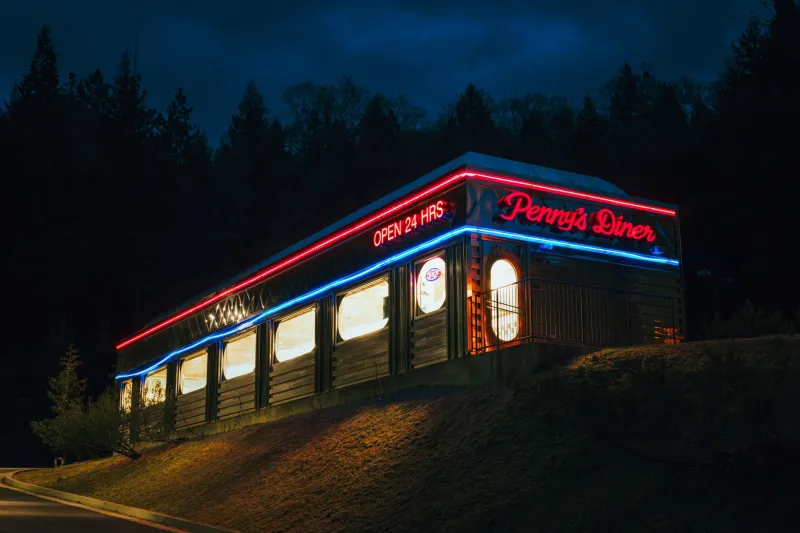
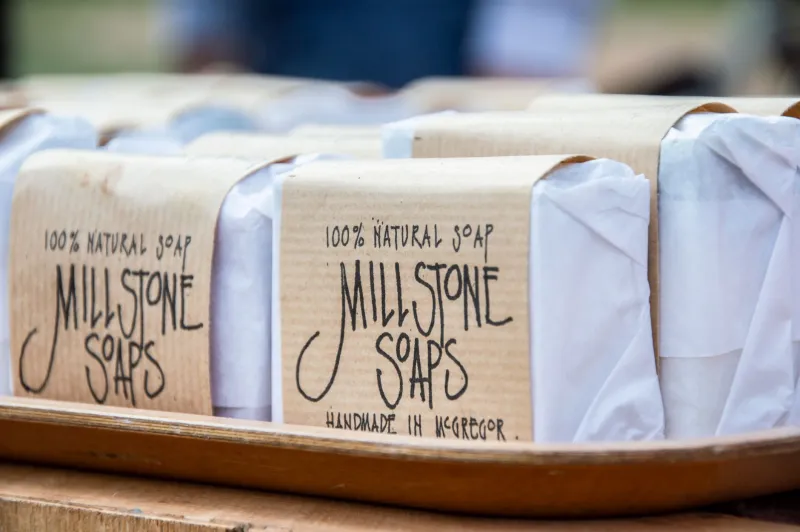
Here's how it works. A major corporation — let's say one with revenues in the hundreds of millions — launches a sub-brand. The sub-brand has a different name than the parent company, one that sounds earthy and specific. Maybe it references a place (a town, a region, a body of water). Maybe it has a person's first name in it. The packaging is kraft paper or recycled cardboard. The font is slightly imperfect, like it was letterpress-printed in small quantities. The Instagram account posts photos that look like they were taken by someone's cousin with good taste, not a professional content studio.
The "About" page tells a story about passion, craft, and community. It does not prominently mention the holding company.
This is not a hypothetical. In the food industry alone, brands like Burt's Bees (Clorox), Naked Juice (PepsiCo), and Kashi (Kellogg's) have spent years operating under the visual and narrative language of the independent, values-driven small business — while being owned by some of the largest consumer goods corporations in the world. The fashion world has its own version of this, with "emerging" labels quietly backed by LVMH or Inditex, the parent company of Zara.
The playbook is not complicated. It's just effective.
Why It Works Even When We Know Better
Here's the uncomfortable part: most of us, when we find out a brand is corporate-owned, feel briefly betrayed — and then keep buying it anyway. Research in consumer psychology points to something called the "authenticity halo" — once a brand has established an emotional connection with a consumer, that connection is surprisingly durable even after the illusion cracks.
There's also what you might call the convenience gap. Genuine small businesses are often harder to access. They sell out. They don't always have Prime shipping. They're not in every Target. The faux-artisanal brand is right there, available, affordable, and packaged in a way that lets you feel like you made a considered, values-aligned choice without the friction of actually seeking out the real thing.
Social media has made this dynamic both worse and more visible at the same time. TikTok and Instagram have given small businesses genuine reach they never had before — but they've also given large corporations a masterclass in exactly what "authentic" content looks like, down to the specific type of lighting and the cadence of founder-voiceover videos.
"We're essentially teaching them how to beat us," one Brooklyn-based ceramics maker told us. She asked not to be named, because she's still trying to get stockists and doesn't want to burn bridges. "Every time an indie brand goes viral for something, there's a corporate version of it within six months."
The Faux Origin Story Problem
The trend has gotten specific enough that there's now a recognizable genre: the manufactured founder story. It hits certain beats reliably. A grandmother's recipe. A frustration with existing options. A garage, a kitchen table, a leap of faith. A community that believed in the product before anyone else did.
These stories aren't always false — but they're increasingly produced with the same level of craft as a Netflix documentary, complete with professional photography, ghostwritten blog posts, and carefully coached founder interviews. The emotional authenticity that Gen Z actually responds to has been reverse-engineered into a content format.
What's particularly sharp about this is that it targets the exact values Gen Z has been most vocal about: supporting small businesses, buying local, knowing where your products come from. The corporations co-opting these values aren't just selling products — they're selling the feeling of being a conscious consumer. That feeling, it turns out, is worth a premium.
The Brands Actually Walking the Walk
They do exist. The companies that are genuinely doing what they claim to be doing — and they're worth knowing about, because supporting them is the only real counter-pressure to the authenticity industry.
In the food space, look at regional producers who sell primarily through local channels and farmers markets, where the supply chain is literally visible. Brands like Diaspora Co., an Indian spice company that pays farmers directly and publishes its sourcing data publicly, have built trust through radical transparency rather than aesthetic performance. Their packaging is beautiful, but their actual differentiator is the receipts.
In fashion, the signal is often in what a brand doesn't do. No fast-drop culture. No mystery around manufacturing location. Founders who respond to DMs and talk openly about margins and production costs. Companies like Christy Dawn, which offers a farm-to-closet model with documented supply chains, or Paynter Jacket Co., which produces in intentionally limited runs and explains exactly why — these brands' authenticity is structural, not aesthetic.
The throughline is accountability. Real small businesses can't hide behind holding companies or offshore the consequences of bad decisions. When something goes wrong, the founder's name is on it. That's not a marketing strategy. That's just what it actually means to run something you built yourself.
How to Tell the Difference
Some quick heuristics, since this is increasingly a skill worth having:
- Search the parent company. Sites like Ownership Chart and Good On You track corporate ownership structures. A thirty-second search can tell you a lot.
- Check the "About" page for specificity. Vague founder stories with no verifiable details are a flag. Real founders have real timelines, real places, real names of people who helped them.
- Look at where the product is made. "Designed in New York" and "Made in New York" are very different sentences.
- Notice who's doing the talking. Brands with genuine community roots tend to amplify their customers, their makers, their suppliers. Brands performing community tend to amplify themselves.
None of this means you can never buy from a brand that turns out to be corporate-owned. But knowing the difference — really knowing it — changes the transaction. And in a market that's selling you your own values back to you at a markup, a little skepticism might be the most stylish thing you can wear.