Flaws on Demand: Who Decides Which Imperfections Are Worth Paying For
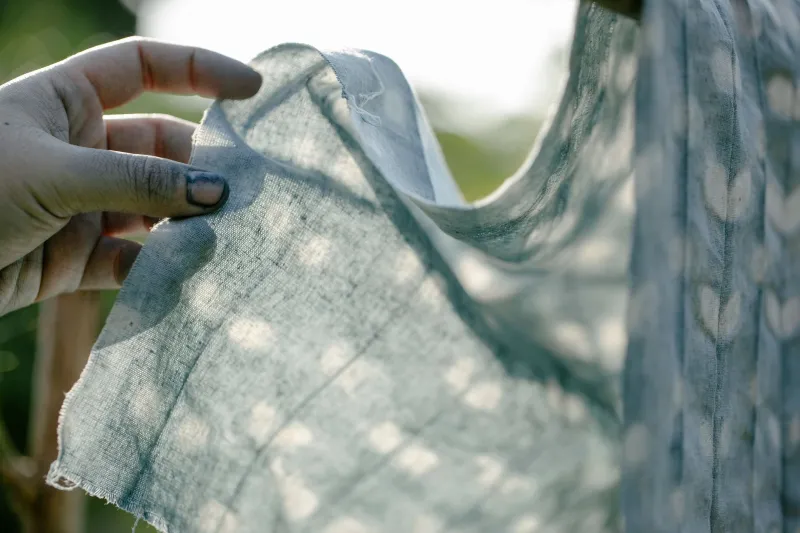
There's a $340 linen shirt on a very cool, very minimal website right now. The product description calls it "intentionally irregular." The hem dips slightly on one side. The dye pools darker at the collar. The stitching wanders just enough to look human. And that's the whole pitch — this shirt was made by hands, not machines, and the proof is right there in every beautiful little mistake.
It sold out in four hours.
Somewhere on that same internet, a brand is quietly discontinuing its extended size range because, according to a vague internal statement, it "didn't align with the current creative direction." No limited-edition drop. No sold-out notification. Just gone.
Both of these things are happening at the exact same moment in fashion history — a moment that keeps telling us it values realness above everything else. So what's actually going on?
The Premium Flaw Economy
The market for "intentional imperfection" isn't new, but it's never been louder. Wabi-sabi aesthetics, the Japanese philosophy of finding beauty in impermanence and irregularity, have been borrowed (and, critics would say, strip-mined) by Western brands for years. What's shifted is the price point and the specificity.
We're not just talking about vintage anymore. We're talking about new items engineered to look imperfect. Hand-dyed hoodies with uneven color distribution. Ceramic mugs with deliberate thumb dents pressed into the clay. Sneakers with slightly mismatched panels, sold as a "one-of-one" even when they're produced in runs of 500. The imperfection is the product. The imperfection is the flex.
And Gen Z, often credited as the generation most allergic to corporate polish, is buying in — hard. Which makes sense on the surface. After growing up inside the hyper-curated visual world of Instagram, a generation that got burned by perfection is now seeking its opposite. The uneven hem feels honest. The blotchy dye job feels earned.
But here's where it gets complicated: not all imperfections are created equal in this economy. Some flaws get a spotlight and a markup. Others get quietly edited out of the frame entirely.
The Hierarchy Nobody Wants to Name
Walk into any "elevated basics" brand with a strong aesthetic identity right now and you'll find a very specific menu of acceptable irregularity. Uneven hems: yes. Visible mending: absolutely. Raw edges: iconic. Asymmetrical silhouettes: chef's kiss.
But extended sizing? Often an afterthought, if it exists at all. Adaptive clothing features — magnetic closures, adjustable fits, sensory-friendly fabrics — rarely show up in the brands that claim to center human experience. Models with visible disabilities almost never anchor the campaigns that celebrate "real bodies." And when a plus-size customer points out that the brand's "relaxed fit" still doesn't come in her size, the response is usually silence or a polite redirect to a "coming soon" page that never arrives.
The pattern is consistent enough to name: the imperfections that get celebrated are the ones that can be aestheticized. They're photogenic. They look good on a flat lay. They tell a story about craft and slowness and resistance to mass production. They don't require a brand to actually restructure its supply chain, expand its fit range, or rethink who gets to be in the campaign.
The imperfections that get dismissed — the ones tied to actual body diversity, actual disability, actual economic accessibility — those require real operational change. And that, apparently, is where the romance of imperfection ends.
Realness as a Costume
There's a term that keeps surfacing in conversations about this: "aesthetic realness." It's the idea that what the market actually wants isn't realness — it wants the look of realness. The performance of it. A carefully selected set of signals that communicate authenticity without the inconvenience of actually being accountable to it.
A brand can sell a $280 "imperfect" tote bag and post a behind-the-scenes Reel of the artisan who made it, and that entire transaction can exist in a bubble completely separate from whether that brand pays its overseas workers a living wage, offers any size above an XL, or has ever featured a disabled person in its visual language.
The flaw becomes a costume. It's worn by brands that want the cultural credibility of rejecting perfection while preserving every structural advantage that perfection used to provide.
Gen Z consumers are, by most measures, sharp. They're fast to call out greenwashing, fast to screenshot a brand's old problematic tweets, fast to organize a boycott on TikTok. But the "authentic imperfection" aesthetic has proven surprisingly sticky, partly because it feels like the right answer to everything that came before it. It feels like the antidote to the Instagram era. And when something feels like an antidote, it's easier to stop asking whether it actually is one.
So Who Gets to Define Messy?
The honest answer is: mostly the same people who always have.
The brands setting the terms of "beautiful imperfection" are still predominantly run by the same narrow slice of the industry. The aesthetic gatekeepers — the stylists, the creative directors, the tastemakers deciding which flaws read as artisanal versus which ones read as "not on brand" — are still largely operating from a very specific cultural vantage point.
When a small ceramicist in rural Vermont makes slightly lopsided bowls, that's folk art, and it's gorgeous, and it deserves every dollar it commands. But when a venture-backed lifestyle brand manufactures that same lopsidedness at scale while refusing to make its clothing accessible to people with mobility aids or bodies outside a size range, it's not celebrating imperfection. It's curating it. It's deciding which human realities are charming and which ones are inconvenient.
That distinction matters more than the hem.
What Would Actually Radical Look Like?
It would probably look less aesthetic. Adaptive clothing is functional first, and functional doesn't always photograph the way a sun-bleached linen shirt does. Extended sizing requires more fabric, more fit testing, more investment — and the margins are harder. Real accessibility means rethinking websites, campaigns, fitting rooms, and sizing systems from the ground up.
None of that is as easy to package as a deliberately uneven dye job. None of it fits neatly into a product description about slowness and craft and the beauty of the handmade.
But if the conversation about imperfection is ever going to mean something beyond a price tag, that's where it has to go. Not just to the flaws that photograph well — but to the ones that actually challenge something.
The shirt with the wandering hem is genuinely beautiful. That's not the argument. The argument is that beauty, and realness, and the whole project of rejecting polish — it has to extend past what looks good on a product page. Otherwise it's just polish wearing a disguise.